

Russia and the West appear to be entering a new phase of tension on the maritime energy chessboard, according to a report by the British newspaper The Times, which claims that Moscow has begun installing weaponry on tankers involved in the transport of oil and liquefied natural gas. This development, if confirmed, signals a clear escalation in the already tense framework of sanctions and maritime controls, creating new realities for maritime security balances and the potential for European states to intervene in vessels linked to Russian energy cargoes. The British newspaper The Times argues that Russia has started placing arms on tankers transporting oil and liquefied natural gas (LNG), assessing that this development could act as a deterrent against potential operations by European countries to intercept or inspect ships carrying products under sanctions. According to the report, this is a development that may significantly affect the balance of maritime security and the implementation of Western sanctions against Russia.
References to the "Marshal Vasilevsky"
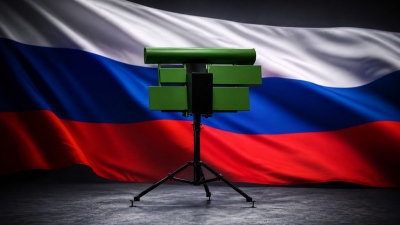
The Times cites as a characteristic example the tanker Marshal Vasilevsky, on which, according to the report, "two fixed guns, likely for protection against drone attacks and boarding attempts," were observed. The vessel is described as one of the key means of transporting Russian liquefied natural gas (LNG), while the British newspaper argues that the installation of weaponry may deter European countries from attempting to inspect or seize cargoes that fall under Western sanctions.
A warning to NATO
The same report hosts the view of defense expert Patrick Bolder from the Hague Centre for Strategic Studies, who assesses that the Russian move essentially constitutes a warning to NATO. As he states, "don't try to board our ships, because that could trigger a war." At the same time, an anonymous intelligence source cited by The Times claims that the Marshal Vasilevsky will not only protect itself but also Russia's so-called "shadow fleet," making any attempt by European authorities to board ships connected to Russian interests more difficult.
How the "shadow fleet" is protected, according to the report
The report argues that Moscow is implementing a multi-layered protection system for its energy transports, combining military, legal, technical, and operational means to ensure the continuation of oil and LNG exports despite Western sanctions. According to the article's claims, a portion of the tankers is accompanied by units of the Russian Navy. Frigates and other warships have allegedly already escorted tankers through European sea routes and the English Channel, significantly increasing the cost and risk of any inspection or interception operation. At the same time, the Russian Maritime Board is reportedly examining additional measures to protect shipping, including the tactical deployment of warships to cover the so-called "shadow fleet."
Armed guards and increased security measures
The Times also reports that armed security teams have been deployed on several tankers. Citing data from European naval forces and related investigations, it claims that on dozens of voyages during the 2025–2026 period, individuals with military experience and connections to Russian security services were identified. According to the report, their mission is to prevent any attempt by crews to comply with Western pressures that would lead to the seizure or detention of the ships, essentially turning many of them into part of a broader Russian security architecture.
The legal fortification of the fleet
The Times also points out that Russia seeks to increase the number of tankers flying the Russian flag so that it has a stronger legal basis to protect them as state interests and to challenge any seizures or detentions before national and international courts. At the same time, reference is made to practices attributed to the so-called "shadow fleet," such as constant flag changes, complex ownership structures, ship-to-ship cargo transfers, and the disabling of tracking systems (AIS)—practices which, according to the report, hinder the locating and tracking of vessels without, however, completely eliminating the risks of inspection or seizure.
www.bankingnews.gr









Σχόλια αναγνωστών